
There is a mindset that shows up on renovation projects across Sydney every week. It goes something like this: “We will deal with the asbestos if we find it.” Or worse: “It is probably fine. Let’s just get started.”
This approach feels practical in the moment. You have a builder booked. You have a timeline. You have a budget that does not include an asbestos line item. Testing and removal feel like unnecessary delays and costs that you would rather skip.
But skipping the asbestos step does not make the problem go away. It makes it more expensive, more dangerous, and more disruptive than it would have been if you had handled it upfront.
This article is for homeowners in Southern Sydney who are about to renovate a property built before 1990. If that is you, the cost of ignoring asbestos is something you need to see clearly before work begins.
The “Renovate First, Test Later” Problem
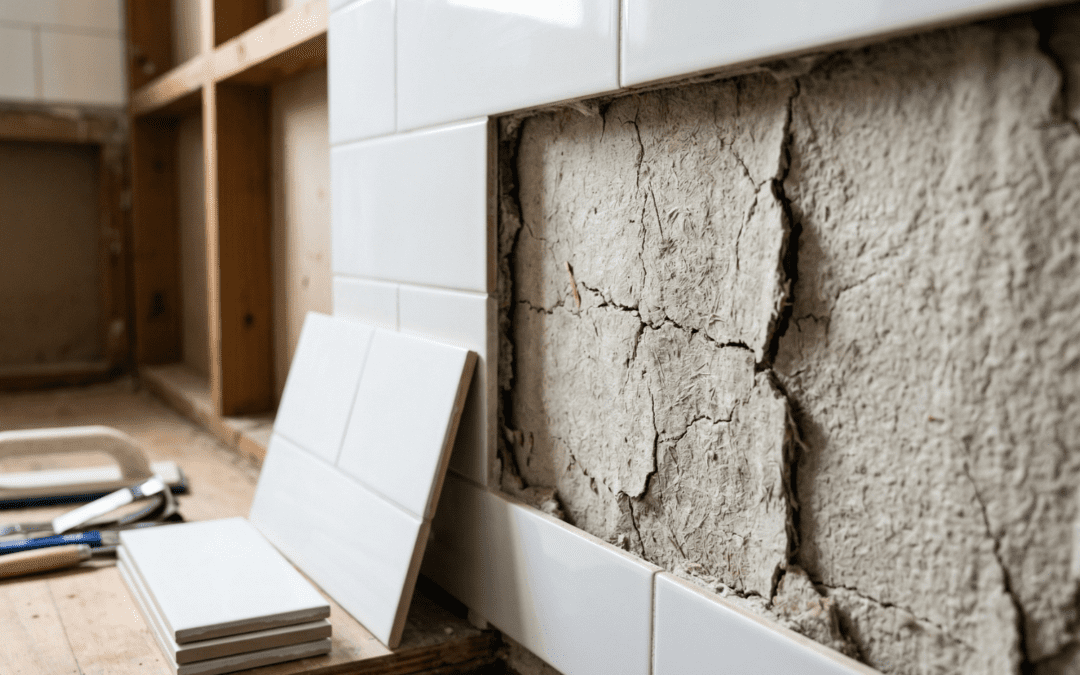
The most common way asbestos disrupts a renovation is mid-project discovery. A builder starts stripping a bathroom and hits fibro sheeting behind the tiles. An electrician drills into a wall and the material crumbles. A plasterer pulls down a ceiling and finds asbestos-containing board underneath.
At that point, everything stops.
Under NSW law, once asbestos is identified or suspected, all work in the affected area must cease until the material is tested and, if confirmed, removed by a licensed contractor. This is not a guideline. It is a legal requirement enforced by SafeWork NSW.
Here is what happens next. Your builder and their crew leave the site. A licensed asbestos assessor is called to take samples. The samples go to a lab, which can take several days. If asbestos is confirmed, a licensed removal company is engaged. The removal is carried out with full containment and safety procedures. A clearance certificate is issued before other trades can return.
The total delay is typically one to three weeks, depending on the scope and the availability of the removal contractor. During that time, your builder’s schedule moves on. Your other trades (plumber, electrician, tiler) may need to be rebooked. Your renovation timeline stretches.
What It Actually Costs When Asbestos Is Found Mid-Renovation
The removal cost itself is only part of the picture. Here is what the full financial impact looks like when asbestos is discovered after work has already started.
Removal at a Premium
Emergency or mid-project asbestos removal often costs more than planned removal. The job needs to be fitted into the contractor’s schedule at short notice. The site may need additional preparation because demolition has already begun and the work area is not clean. Contaminated debris may need to be handled as asbestos waste even if it would not have been classified that way before it was disturbed.
Builder Standdown Costs
Most builders charge for delays that are not their fault. If your builder and their team are booked for your job and cannot work because the site is shut down for asbestos removal, you may be liable for standdown fees or schedule gaps. Some contracts include clauses that allow the builder to extend the project timeline and charge for remobilisation.
Trade Rebooking Delays
Electricians, plumbers, tilers, and other trades work on tight schedules. If they are bumped from your project because of an asbestos delay, getting them back can take weeks. In busy periods, it can push your project back by a month or more.
Contamination Cleanup
If asbestos was disturbed before it was identified (for example, a wall was demolished and the debris was spread across the site), the cleanup becomes a contamination remediation job. This can involve professional vacuuming with HEPA filters, wet wiping all surfaces, bagging and disposing of contaminated building waste as asbestos, soil testing if debris fell on the ground, and air monitoring to confirm the area is safe before work resumes.
A contamination cleanup can cost several times more than a planned removal of the same material would have.
Council and Compliance Issues
If your renovation requires a development application or complying development certificate, the council or certifier may require evidence that asbestos was managed in accordance with NSW regulations. If asbestos was disturbed without proper procedures, you may face a stop-work order, a requirement to engage a hygienist to assess the site, and additional conditions on your approval before work can resume.
The Health Cost You Cannot Put a Number On
Beyond the financial costs, there is a health dimension that does not show up on any invoice.
When asbestos is disturbed without proper containment, the fibres become airborne. They travel through the house. They settle on surfaces, clothing, and soft furnishings. They can be inhaled by anyone in or near the property.
Asbestos-related diseases, including mesothelioma, asbestosis, and lung cancer, have latency periods of 20 to 40 years. You will not feel sick today. But the exposure is cumulative and irreversible.
The people most at risk during an uncontrolled asbestos disturbance are the workers on site (builders, labourers, apprentices), the homeowner and their family (especially if still living in the property during renovation), and neighbours in adjacent properties (particularly in the closely spaced lots common across Southern Sydney suburbs like Hurstville, Kogarah, and Peakhurst).
No renovation is worth that risk.
The Impact on Resale Value
Asbestos history follows a property. Under NSW law, sellers must disclose known asbestos. If your property has a documented history of uncontrolled asbestos disturbance or incomplete removal, it becomes a liability at sale time.
Buyers, solicitors, and building inspectors will look for clearance certificates, disposal receipts, and evidence that removal was handled by a licensed contractor. If those documents do not exist, or if there are signs that asbestos was mismanaged, it raises questions that can reduce offers or kill a sale outright.
On the other hand, a property where asbestos was identified early, removed professionally, and fully documented is a cleaner proposition for buyers. It signals that the owner took the property seriously and managed risks responsibly.
What Proper Pre-Renovation Asbestos Management Looks Like
The alternative to the “deal with it later” approach is simple, and it is always cheaper in the end.
Get an Asbestos Survey Before Any Work Starts
A licensed asbestos assessor inspects the property, takes samples from suspected materials, and sends them to a NATA-accredited lab. The result is a clear report that tells you exactly where asbestos is, what type it is, and what condition it is in.
This survey should happen before you brief your builder, before you lodge a DA, and before any demolition or strip-out work begins.
Include Asbestos Removal in Your Renovation Budget
Once you know what you are dealing with, get quotes from licensed asbestos removal contractors. Add this cost to your renovation budget from the start. It is a fixed, predictable expense when planned in advance. It is an unpredictable, inflated expense when discovered mid-project.
Schedule Removal Before Other Work Begins
The most efficient approach is to complete asbestos removal before your builder starts. The removal crew comes in, clears the asbestos, provides a clearance certificate, and hands the site over clean. Your builder then starts on a site that is safe and free of hazardous materials.
This eliminates the risk of mid-project discovery, avoids standdown costs, and keeps your renovation timeline intact.
Keep All Documentation
Store your asbestos survey, removal quotes, clearance certificates, waste transport certificates, and disposal receipts in a dedicated folder. These documents protect you during the renovation (for council compliance) and after it (for insurance and resale).
A Common Scenario in Southern Sydney
Here is a situation we see regularly. A homeowner in Miranda, Caringbah, or Sutherland buys a 1970s fibro home. They plan a major renovation: new kitchen, new bathroom, open-plan living. They get a builder, agree on a price, and work starts.
Two days in, the builder finds asbestos sheeting behind the kitchen tiles and in the ceiling cavity. Work stops. The homeowner scrambles to find an asbestos removal company. The removal takes a week to organise and complete. The builder’s schedule slips. The plumber and electrician need to be rebooked. The total cost of the asbestos delay (removal plus standdown plus rebooking) ends up being two to three times what a planned removal would have cost.
This scenario is entirely avoidable. A pre-renovation asbestos survey would have identified the material before the builder started. The removal would have been completed first, on schedule and on budget.
It Is Always Cheaper to Find It First
The math is straightforward. A planned asbestos survey and removal costs less than an emergency mid-project removal, contamination cleanup, builder delays, and trade rebooking combined. Every time.
If you are planning a renovation on a property built before 1990, get the asbestos checked first. If you need a survey, a removal quote, or just a straight answer about what your property contains, get in touch with us. We have been helping Southern Sydney homeowners avoid exactly this situation for over 15 years.