
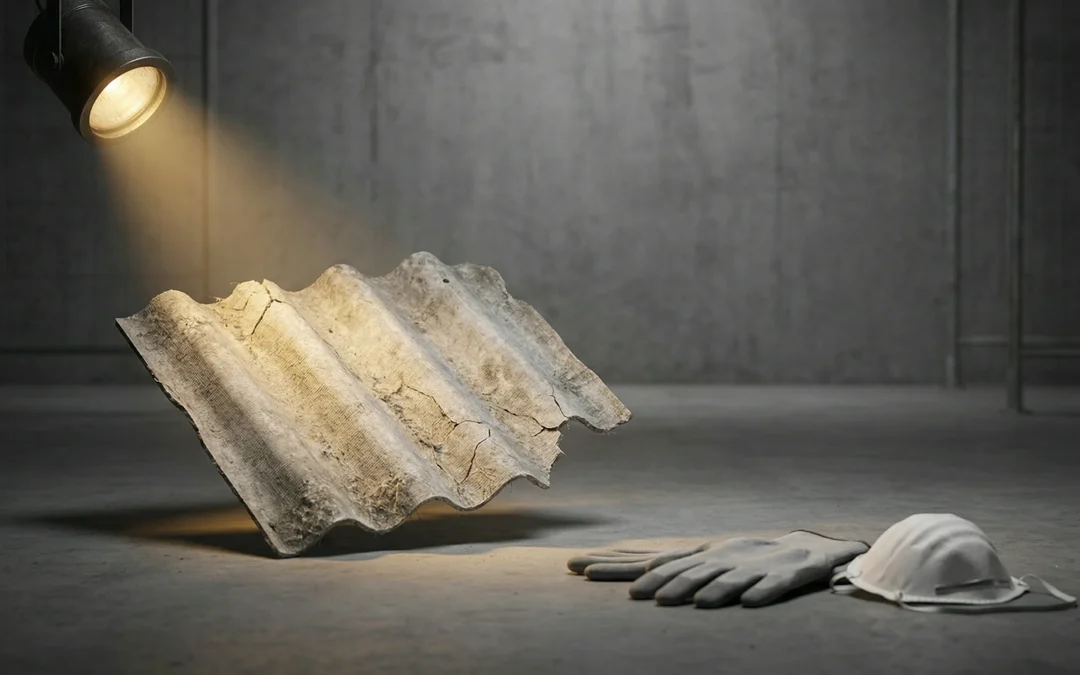
Every year in NSW, homeowners pull down old fences, rip out bathroom tiles, and strip cladding from walls without realising the material contains asbestos. Some know it is asbestos and try to remove it themselves anyway, thinking they can save a few thousand dollars by doing it on the weekend with a mask and some plastic sheeting.
Both groups are breaking the law. And the penalties are not small.
NSW has some of the strictest asbestos removal regulations in Australia. They exist because asbestos kills. It is responsible for thousands of deaths in this country, and exposure during home renovations is one of the fastest-growing risk categories. The rules are designed to protect you, your family, your neighbours, and the workers who come to your property after you.
This article explains what is and is not legal when it comes to asbestos removal in NSW, what the fines look like, and why the “I’ll just do it myself” approach is one of the most expensive mistakes a homeowner can make.
What Does the Law Actually Say?
Under the Work Health and Safety Regulation 2017 (NSW), the rules are clear.
Bonded (Non-Friable) Asbestos
A homeowner can legally remove up to 10 square metres of bonded asbestos from their own residential property, provided they follow SafeWork NSW guidelines. This includes wearing appropriate PPE, keeping the material wet, not breaking it, double-wrapping it in heavy-duty plastic, labelling it, and transporting it to an EPA-licensed disposal facility.
However, there is an important catch. Ten square metres is not much. A single fibro fence panel can be close to that limit. A bathroom wall and ceiling combined will often exceed it. A full roof is well over.
Any removal of bonded asbestos over 10 square metres requires a licensed removalist with a Class B asbestos removal licence.
Friable Asbestos
Homeowners cannot remove friable asbestos under any circumstances. Period. It does not matter how small the amount is. Friable asbestos (loose, crumbly material found in insulation, pipe lagging, and some backing materials) can only be removed by a contractor holding a Class A asbestos removal licence.
Class A removal requires full enclosure of the work area, negative air pressure systems, continuous air monitoring, personal decontamination, and independent clearance inspection before the enclosure is removed.
The 10 Square Metre Myth
Many homeowners misunderstand the 10 square metre allowance. It does not mean you can remove 10 square metres this weekend and another 10 next weekend. It applies to the total amount on the property. And even within that limit, if the work is part of a renovation or building project that requires a development approval, a licensed removalist may still be required by your local council.
The safest interpretation: if you are not sure, hire a licensed professional. The cost of getting it wrong is far higher than the cost of getting it right.
What Are the Fines?
SafeWork NSW and the NSW Environment Protection Authority (EPA) both have the power to issue fines and prosecute individuals and businesses for illegal asbestos removal or disposal.
SafeWork NSW Penalties
SafeWork NSW enforces the Work Health and Safety Act 2011 and its regulations. Penalties for breaching asbestos removal requirements include:
On-the-spot fines (penalty infringement notices) for individuals and businesses that fail to comply with asbestos removal licensing requirements. These fines can run into thousands of dollars per offence.
For more serious breaches, SafeWork NSW can prosecute through the courts. Under the WHS Act, the maximum penalties for a Category 1 offence (reckless conduct that exposes a person to a risk of death or serious injury) can exceed $300,000 for an individual and over $3 million for a body corporate. Category 2 and Category 3 offences carry lower but still substantial penalties.
These are not theoretical numbers. SafeWork NSW actively investigates illegal asbestos removal and has successfully prosecuted homeowners, builders, and demolition operators.
EPA Penalties
The EPA handles the waste and disposal side. Illegally dumping asbestos waste (including putting it in your household bin, burying it in your yard, or leaving it at an unlicensed site) carries heavy penalties.
Under the Protection of the Environment Operations Act 1997, illegal dumping of asbestos waste can result in on-the-spot fines of several thousand dollars for individuals, with court-imposed penalties reaching much higher for repeat or serious offences.
The EPA has specifically increased enforcement around illegal asbestos dumping in recent years. They run surveillance operations, use tip-off lines, and have dedicated investigation teams.
Council Penalties
Local councils can also take action. Many councils in the Southern Sydney region require asbestos removal to be completed by a licensed contractor as a condition of development consent. If you remove asbestos without the required approvals, the council can issue stop-work orders, require remediation at your cost, and refuse to sign off on your project until the site is cleared.
A stop-work order on a renovation project does not just cost you the fine. It costs you weeks or months of delays, contractor standdown fees, and potentially a complete re-scope of the project.
The Real Costs of DIY Asbestos Removal
The financial penalties are only part of the picture. Here is what DIY asbestos removal can actually cost you.
Health Costs
Asbestos-related diseases include mesothelioma (cancer of the lung lining), asbestosis (permanent scarring of the lungs), and lung cancer. These diseases have long latency periods, often 20 to 40 years, meaning you may not know you have been exposed until decades later.
There is no safe level of asbestos exposure. Every fibre you inhale adds to your cumulative risk. Disturbing asbestos without proper containment, wetting, and PPE releases thousands of microscopic fibres into the air. Those fibres do not just stay in the work area. They travel through your home, settle on surfaces, and can be inhaled by anyone in the house.
Children are especially vulnerable because they breathe faster and are closer to the ground where fibres settle.
Contamination Costs
If asbestos is improperly removed and contaminates your property, the cleanup is expensive. Contaminated soil may need to be excavated and disposed of at a licensed facility. Internal surfaces may need professional decontamination. Air monitoring may be required to confirm the property is safe to reoccupy.
A job that would have cost a few thousand dollars with a licensed contractor can turn into a five-figure remediation project once contamination has spread.
Property Sale Costs
NSW law requires sellers to disclose known asbestos in a property. If your property has a history of unlicensed removal or contamination, it will affect the sale. Buyers, conveyancers, and building inspectors will flag it, and it can reduce your property’s value or derail a sale entirely.
On the other hand, having proper removal certificates, clearance reports, and disposal records from a licensed operator adds confidence for buyers and can support your asking price.
Why the “It’s Just a Small Fence” Argument Does Not Hold Up
The most common justification homeowners use for DIY removal is that the job is small. A couple of fence panels. A few floor tiles. A small patch of eave lining.
Even small amounts of asbestos, when broken or disturbed, release fibres. A single cracked fibro fence panel can contaminate the soil beneath it. Pulling up vinyl tiles with asbestos backing can release fibres across an entire room. Hosing down a fibro surface (a common but dangerous “cleaning” method) can spread contamination across your yard and your neighbour’s property.
Small jobs done badly create big problems. And the regulatory system does not give you a pass because the amount was small.
What to Do Instead
If you suspect asbestos in your property, the right approach is simple.
Do not touch it. Leave it undisturbed until it has been tested.
Get it tested. A licensed asbestos assessor can take samples and confirm whether the material contains asbestos. This costs a fraction of what remediation costs.
Hire a licensed removalist. A professional asbestos removal team will handle the job safely, legally, and with full documentation. They will give you a clearance certificate and disposal records that protect you now and in the future.
Plan ahead. If you are renovating or demolishing your home, factor asbestos removal into your project timeline and budget from the start. It is always cheaper and faster to deal with it before other work begins.
The Bottom Line
DIY asbestos removal in NSW is not a money-saving hack. It is a legal risk, a health risk, and a financial risk. The fines are real. The health consequences are irreversible. And the cost of fixing a contaminated property far exceeds the cost of doing it properly in the first place.
If you are not sure whether your property has asbestos, or you need a clear quote for safe removal, contact us today. We will inspect your property, explain your options, and give you a straight answer with no hidden fees.