
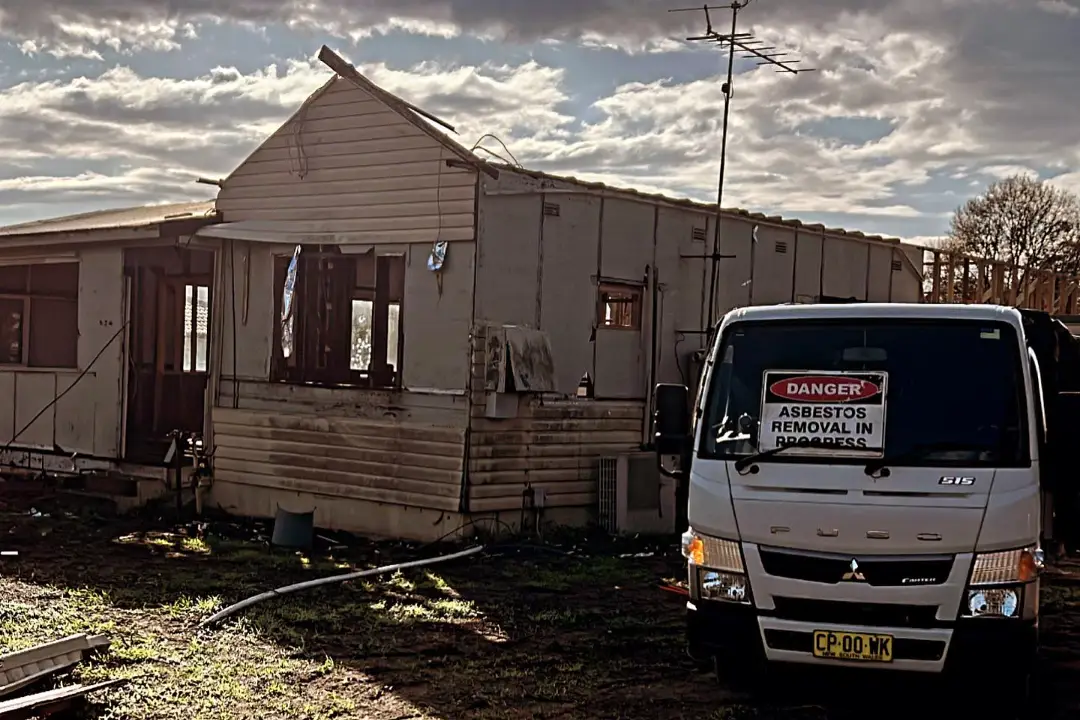
Not every demolition job means flattening the entire house. Sometimes the smartest move is to take down part of the structure and keep the rest standing.
Partial demolition is one of the most misunderstood services in the residential construction space. Homeowners tend to think in binary terms: renovate the whole house or demolish the whole house. But there is a middle option that sits between those two extremes, and for the right property, it delivers a better result at a lower cost.
This article covers what partial demolition actually involves, the scenarios where it makes financial and practical sense, and the risks you need to manage if you go down this path.
What Is Partial Demolition?
Partial demolition means removing a defined section of a residential or commercial structure while keeping the remainder intact and structurally sound. The scope can range from a single room to an entire wing of a house.
Common examples include removing an old garage or carport that is attached to the house, knocking down a rear extension to make way for a new one, taking out a second storey to rebuild it to a different design, removing internal walls to open up a floor plan (structural or non-structural), demolishing a ground-floor section of a house that sits on a damaged or asbestos-contaminated slab, and clearing a side return or lean-to structure to create space for an addition.
Partial demolition is different from a full knockdown because it requires the contractor to protect the remaining structure throughout the process. This means shoring, bracing, temporary weatherproofing, and careful sequencing of the work to avoid damaging what stays.
When Partial Demolition Is the Right Call
The Rear Extension Has to Go
This is one of the most common partial demolition scenarios in Southern Sydney. A homeowner has a solid brick or timber-framed house from the 1960s or 1970s with a poorly built rear extension added sometime in the 1980s or 1990s. The extension has low ceilings, a flat roof that leaks, a layout that does not work, and possibly asbestos in the walls or ceiling.
Rather than demolishing the entire house, the owner knocks down the extension and replaces it with a new addition that is designed properly, built to current codes, and connected to the original house at the right level.
This approach keeps the original structure (which may have solid bones and street presence), avoids the cost and complexity of a full knockdown, and delivers a modern living area at the back of the house.
The Garage or Shed Needs to Come Down
Detached or semi-detached garages, carports, and garden sheds are often the first structures to deteriorate on older properties. They are typically lighter construction (fibro, timber, corrugated iron), they weather faster, and they may contain asbestos in the roof or wall sheeting.
Removing these structures opens up the site for a new garage, a granny flat, a pool, or an extension. It is a contained job that can be completed in a day or two for smaller structures.
You Are Renovating, Not Rebuilding
If your renovation involves reconfiguring the layout of your home, you may need to remove internal walls, a section of flooring, part of the roof, or a built-in structure (like an old chimney breast or a brick fireplace). This is partial demolition work that sits at the start of a renovation, before your builder begins the new construction.
The key here is understanding which walls are load-bearing and which are not. A structural engineer’s assessment is essential before any internal walls are removed. Getting this wrong can compromise the entire building.
The Slab Is the Problem
In some cases, the ground floor slab of an older home is cracked, uneven, or contaminated (from asbestos, lead paint, or other materials). Rather than demolishing the entire house, the section of the home sitting on the damaged slab can be partially demolished, the slab removed or remediated, and a new section built in its place.
This is particularly relevant in areas where older homes sit on thin, unreinforced slabs that do not meet current building standards.
How Partial Demolition Compares on Cost
Partial demolition is almost always cheaper than a full knockdown, but it is not always cheaper than you might expect. The work is more complex per square metre because the contractor needs to protect the remaining structure.
The cost factors specific to partial demolition include structural shoring and bracing (temporary supports to hold up the parts of the building that stay), weatherproofing of exposed surfaces (once a section is removed, the remaining structure may be open to the elements and needs to be protected), more precise machinery operation (smaller excavators, more manual work, more care around boundary walls and neighbouring structures), asbestos removal in the specific area being demolished (which may involve containment of the work zone to protect the occupied portion of the house), and waste management that separates demolished material from the existing structure.
Despite these additional complexities, partial demolition typically costs significantly less than a full home demolition because the volume of material being removed is smaller, the site footprint is reduced, services disconnection may not be required (or only partial disconnection), and the remaining structure eliminates the need for a complete rebuild.
For homeowners working within a tight budget, partial demolition combined with a targeted renovation often delivers the biggest improvement for the least spend.
The Risks You Need to Manage
Partial demolition is not without risk. Here are the issues that can turn a smart project into an expensive one if they are not managed properly.
Structural Integrity
Removing a section of a building changes the load paths. A wall that was previously non-structural may become critical once an adjacent wall is removed. A roof that was supported at four points may lose one of those support points.
Every partial demolition job should start with a structural engineer’s assessment. The engineer will identify load-bearing elements, specify temporary and permanent support requirements, and sign off on the proposed scope of demolition.
Asbestos in the Demolition Zone
If the section being demolished contains asbestos, it must be removed before general demolition begins. This follows the same rules as a full demolition: licensed removal, containment, clearance certification, and legal disposal.
The additional challenge with partial demolition is that the asbestos removal needs to be contained to avoid contaminating the occupied portion of the house. This may involve sealed barriers, negative air pressure, and air monitoring at the boundary between the demolition zone and the living area.
Damage to the Remaining Structure
Vibration, impact, and accidental contact during demolition can damage the structure that stays. Cracked render, broken windows, dislodged roof tiles, and shifted door frames are common issues on poorly managed partial demolition jobs.
A skilled contractor uses smaller equipment, works methodically from the outside in, and monitors the remaining structure throughout the process. Protective measures like hoarding, padding, and dust barriers are standard practice.
Matching Old to New
Once the partial demolition is complete, the new construction needs to connect to the old. This creates challenges around matching floor levels, aligning roof lines, tying in new walls to existing walls, and connecting new plumbing and electrical to existing services.
Your builder and architect need to plan these connections in detail before demolition starts. The quality of the transition between old and new often defines the quality of the final result.
Partial Demolition and Commercial Properties
Partial demolition is not limited to residential work. It is also common in commercial strip out and commercial refurbishment projects where a tenant or owner needs to remove internal fitout elements, mezzanine floors, partition walls, or specific sections of a building without affecting adjacent tenancies or the building shell.
In commercial settings, the complexity increases because work often needs to happen while other parts of the building remain occupied and operational. Noise, dust, vibration, and access management become critical factors.
Is Partial Demolition Right for Your Project?
Ask yourself these questions.
Is the part of the house I want to remove clearly separable from the part I want to keep? Has a structural engineer confirmed that the remaining structure will be sound after the demolition? Is the cost of partial demolition plus new construction less than the cost of a full knockdown and rebuild? Does the remaining structure have enough value (structurally and aesthetically) to justify keeping it? Can asbestos be managed within the demolition zone without contaminating the rest of the property?
If the answer to most of these is yes, partial demolition is worth exploring.
If you are weighing up your options and need a professional assessment of what should stay and what should go, contact us for a site inspection. We will give you a clear scope, a fair quote, and an honest opinion on whether partial demolition is the right move for your property.