
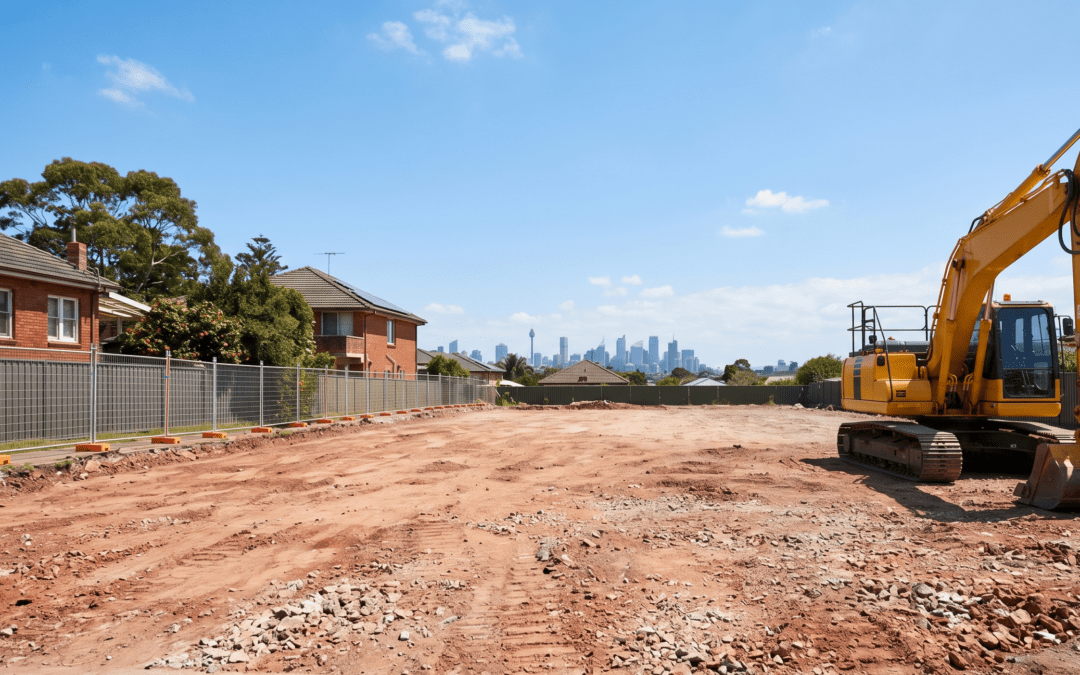
When a house comes down, it does not simply vanish. A typical three-bedroom home in Sydney produces somewhere between 20 and 50 tonnes of waste depending on its size, construction type, and age. That material has to go somewhere, and the “where” is more complex than most homeowners realise.
Demolition waste in NSW is one of the largest waste streams in the state. How it is sorted, transported, and processed has real consequences for your project cost, your environmental footprint, and your compliance with EPA regulations. Understanding the process also helps you tell the difference between a demolition company that handles waste responsibly and one that cuts corners.
What Comes Out of a Demolished House
A typical residential demolition in Sydney produces a mix of materials. The exact composition depends on the house, but the main categories are consistent across most jobs.
Concrete and Masonry
Concrete slabs, footings, brickwork, block walls, and rendered surfaces make up the heaviest portion of demolition waste. In a double-brick home, this can account for more than half the total weight. In a timber-framed fibro home, the proportion is lower but still significant (footings and slab).
Timber
Roof framing, wall framing, floor joists, floorboards, fascia, and battens all fall into this category. The condition and type of timber determines whether it can be recycled. Hardwood in good condition (especially old-growth hardwood) has resale value. Treated pine, painted timber, and damaged softwood typically go to waste processing or landfill.
Metal
Roofing iron (corrugated steel), structural steel, reinforcing bar (rebar), copper pipe, aluminium window frames, guttering, and downpipes all contain metal that can be recycled. Metal is the most efficiently recycled material in the demolition waste stream and often has direct scrap value.
Asbestos
In homes built before 1990, asbestos-containing materials must be separated from all other waste and handled as hazardous waste. This includes fibro sheeting (walls, eaves, roofing, fencing), vinyl floor tiles and backing, and any other material identified in the pre-demolition asbestos survey.
Asbestos waste follows its own regulated disposal chain and must be transported by a licensed carrier to an EPA-approved facility. It cannot be mixed with general demolition waste under any circumstances.
Plasterboard (Gyprock)
Internal wall and ceiling linings in newer homes (or renovated sections of older homes) are typically plasterboard. Some facilities accept clean plasterboard for recycling. Contaminated or mixed plasterboard usually goes to landfill.
Glass, Tiles, and Fixtures
Windows, mirrors, bathroom tiles, kitchen fittings, and fixtures make up a smaller but notable portion of demolition waste. Some of these items can be salvaged before demolition begins if they are in good condition. Otherwise, they are typically disposed of as mixed waste.
General Mixed Waste
The remainder, including insulation, carpet, plastic components, sealants, and assorted small items, is classified as general building and demolition waste. This goes to waste processing facilities for sorting or directly to landfill.
Where Each Material Goes
Demolition waste in NSW is processed through a tiered system. The best outcome (from both a cost and environmental perspective) is recycling. The worst is landfill. Here is how the main materials are typically handled.
Concrete and Brick Recycling
Concrete and brick from demolition sites can be crushed and processed into recycled aggregate. This material is used as road base, drainage fill, pipe bedding, and general fill. Several recycling facilities across Sydney accept clean concrete and brick.
The key word is “clean.” Concrete and brick must be separated from other waste on site. If it is contaminated with asbestos, timber, plasterboard, or other materials, it cannot be recycled and goes to landfill at a higher cost per tonne.
This is one of the reasons on-site waste sorting matters. A demolition crew that separates concrete and brick from other materials on site can send that clean material to a recycler at a lower cost than sending mixed waste to landfill.
Timber Recycling and Disposal
High-quality hardwood (particularly old-growth species like ironbark, tallowwood, and blackbutt) can be salvaged and resold. There is a market for recycled hardwood in furniture making, flooring, and feature construction.
Lower-grade timber is processed at waste facilities. Some is chipped for mulch or biomass. Treated, painted, or contaminated timber is usually sent to landfill because the treatment chemicals prevent it from being recycled through standard channels.
Metal Recycling
Metal from demolition sites goes to scrap metal merchants. Steel, copper, and aluminium are all recyclable and have commodity value. Most demolition contractors separate metal on site and either sell it to scrap merchants or factor the scrap value into their pricing.
Metal recycling is well-established in Australia and has one of the highest recycling rates of any demolition waste stream.
Asbestos Disposal
Asbestos waste is disposed of at EPA-licensed facilities in designated cells. It is buried and covered with clean fill to prevent fibre release. The facility logs each delivery with a waste transport certificate, and the property owner should receive a disposal receipt (tip docket) confirming that the waste was accepted.
Asbestos disposal costs more per tonne than any other demolition waste category. This cost is driven by the licensing, handling, transport, and burial requirements. It is also why illegal asbestos dumping remains a persistent problem, as some operators try to avoid these costs by disposing of asbestos improperly.
Landfill
Material that cannot be recycled or reused goes to licensed landfill. In the Sydney region, landfill levies apply to all waste deposited, and these levies have increased significantly over the past decade. The levy is designed to encourage recycling and diversion from landfill.
The landfill levy means that mixed, unsorted waste is the most expensive disposal option. A demolition contractor who does not sort waste on site is paying higher disposal fees, and those fees are passed on to you in the quote.
How Waste Sorting Happens on a Demolition Site
On a well-managed demolition site, waste sorting begins before the machines start. The process typically follows this sequence.
Pre-Demolition Salvage
Before any demolition work begins, items with reuse or resale value are removed. This might include doors, windows, hardwood flooring, fixtures, and fittings. Some homeowners arrange this themselves. Some contractors include it as part of their scope.
Hazardous Material Removal
All asbestos and other hazardous materials are removed by licensed specialists before general demolition begins. This is a regulatory requirement, not an optional step. The hazardous waste is packaged, labelled, and transported separately.
Staged Demolition
The demolition itself is often staged to facilitate sorting. Roof materials come off first (metal roofing separated from timber battens). Then walls (brick separated from timber framing). Then the slab and footings (concrete separated from fill).
On-Site Sorting
Materials are sorted into separate piles or skips on site. A typical setup includes separate areas for concrete and brick (clean), timber, metal, and mixed general waste. This separation allows each material to be sent to the appropriate destination: recycler, scrap merchant, or landfill.
Transport
Each waste stream is transported to its destination by truck. Concrete goes to the crusher. Metal goes to the scrap yard. General waste goes to the waste processing facility or landfill. Asbestos goes to the licensed asbestos disposal facility.
Why This Matters for Your Project
Understanding the waste disposal process affects your project in three practical ways.
Cost
Waste disposal is a significant line item in any demolition quote. The more waste that is recycled or diverted from landfill, the lower the disposal cost. A contractor who sorts waste effectively on site will often produce a more competitive quote than one who loads everything into a single truck and sends it all to landfill.
When comparing quotes, check whether waste disposal is included and how the contractor plans to handle sorting. A quote that looks cheap but does not include disposal (or includes it as an uncapped allowance) can end up costing more.
Compliance
NSW has strict regulations around demolition waste disposal. The EPA requires waste to be transported by licensed carriers and disposed of at licensed facilities. Asbestos waste has additional requirements for packaging, labelling, and tracking.
As the property owner, you have a duty of care for waste generated on your site. If your contractor disposes of waste illegally (dumping asbestos in bushland, mixing hazardous waste with general waste, using unlicensed disposal sites), you can be held responsible alongside them.
Ask your contractor where each waste type will be taken. Ask for tip dockets and disposal receipts after the job. Keep them with your project records.
Environmental Impact
House demolition produces a large volume of waste. How that waste is handled has a measurable environmental impact. Recycling concrete and brick reduces the demand for virgin quarry material. Recycling metal reduces the energy and emissions associated with primary metal production. Diverting timber from landfill reduces methane emissions from organic decomposition.
Choosing a demolition contractor who prioritises waste sorting and recycling is a practical way to reduce the environmental footprint of your project.
Questions to Ask About Waste
Before you sign a demolition quote, ask these questions about waste management.
Is waste disposal included in the quote? How will waste be sorted on site? Where will concrete, timber, metal, and general waste be taken? How will asbestos waste be handled and where will it be disposed of? Will I receive tip dockets and disposal receipts for all waste? What is the estimated waste volume for this job?
A good contractor will answer all of these clearly and include waste management details in their demolition work plan.
If you are planning a house demolition and want a contractor who handles waste properly from start to finish, contact us for a quote. We sort, recycle, and document everything so you have a clean site and a clear paper trail.